
About AWIHF
Women-led. Community-rooted. Health-focused.
Our Story
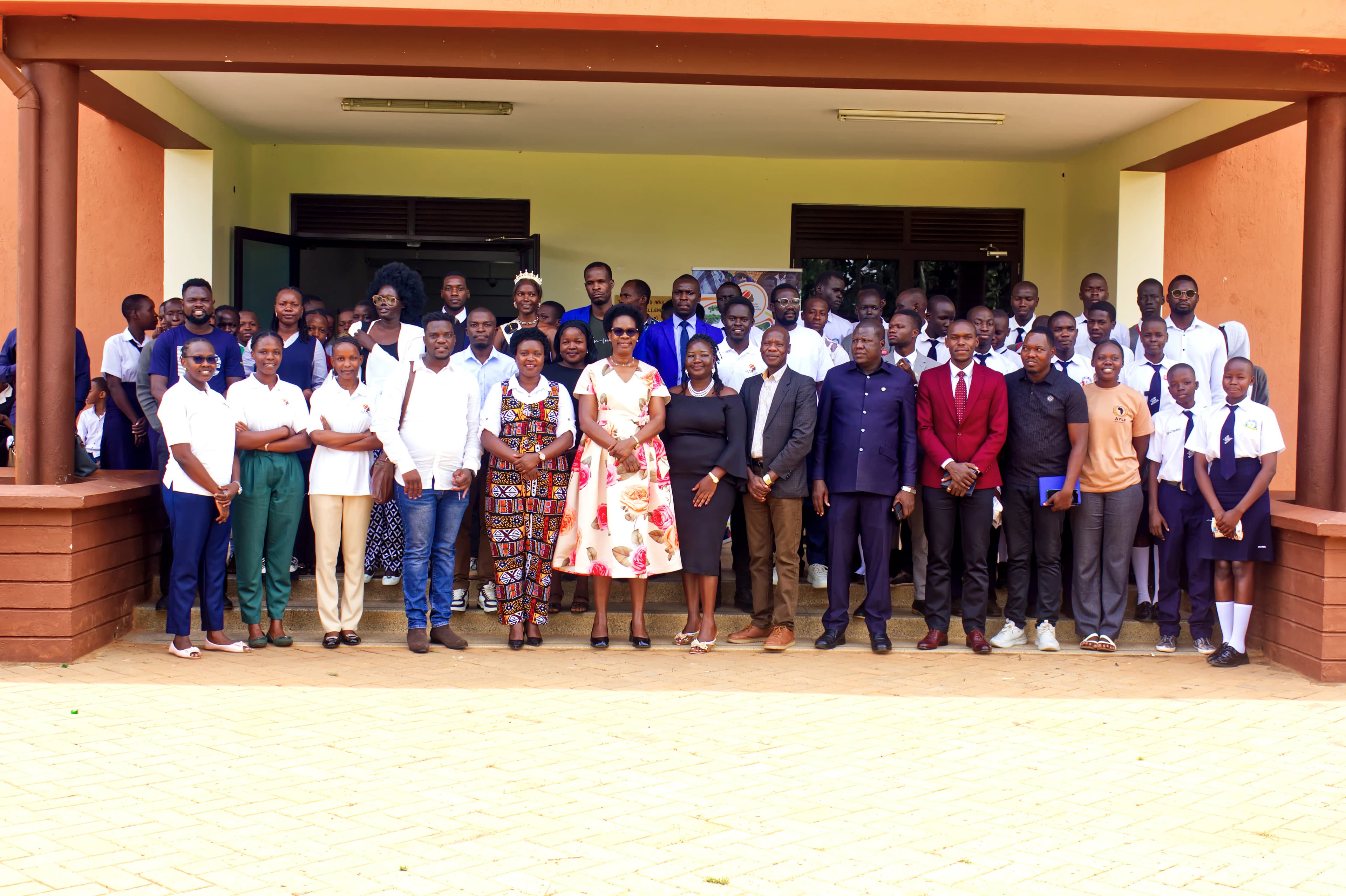
Founded in 2023, Acholi Women in Health Foundation (AWIHF) was established in response to the persistent and disproportionate health challenges facing women and girls in the post-conflict Acholi sub-region of Northern Uganda.
Two decades of Lord's Resistance Army (LRA) insurgency left behind mass displacement, widespread gender-based violence, and a decimated public health infrastructure. With maternal mortality figures at 106.0 per 100,000 live births (compared to 69.1 nationally) and a 24% teenage pregnancy rate in rural areas, we exist to close the gaps that peace has not yet closed. We bring healthcare services directly to community hubs while strengthening systems for long-term health equity.
Our Mission
"To improve healthcare outcomes of women and girls in northern Uganda through delivery of accessible community-based health services, building a community of empowered women in healthcare through mentorship, education and research."
Our Vision
"A community where women and girls are able to access equitable and holistic healthcare services, and where women in healthcare are valued, supported and empowered to lead, innovate and deliver high-quality care that addresses the unique needs of individuals and community."
Our Core Values
Our Strategic Objectives
To increase access to community-based healthcare services in Acholi sub-region.
To strengthen community health systems through trainings and mentorships in Acholi sub-region.
To expand referral pathways for maternal and mental health in Acholi sub-region.
To build health workers and peer educators through capacity building and leadership in Acholi sub-region.
To generate evidence through research to inform programmes and advocacy in Acholi sub-region.
Leadership & Governance
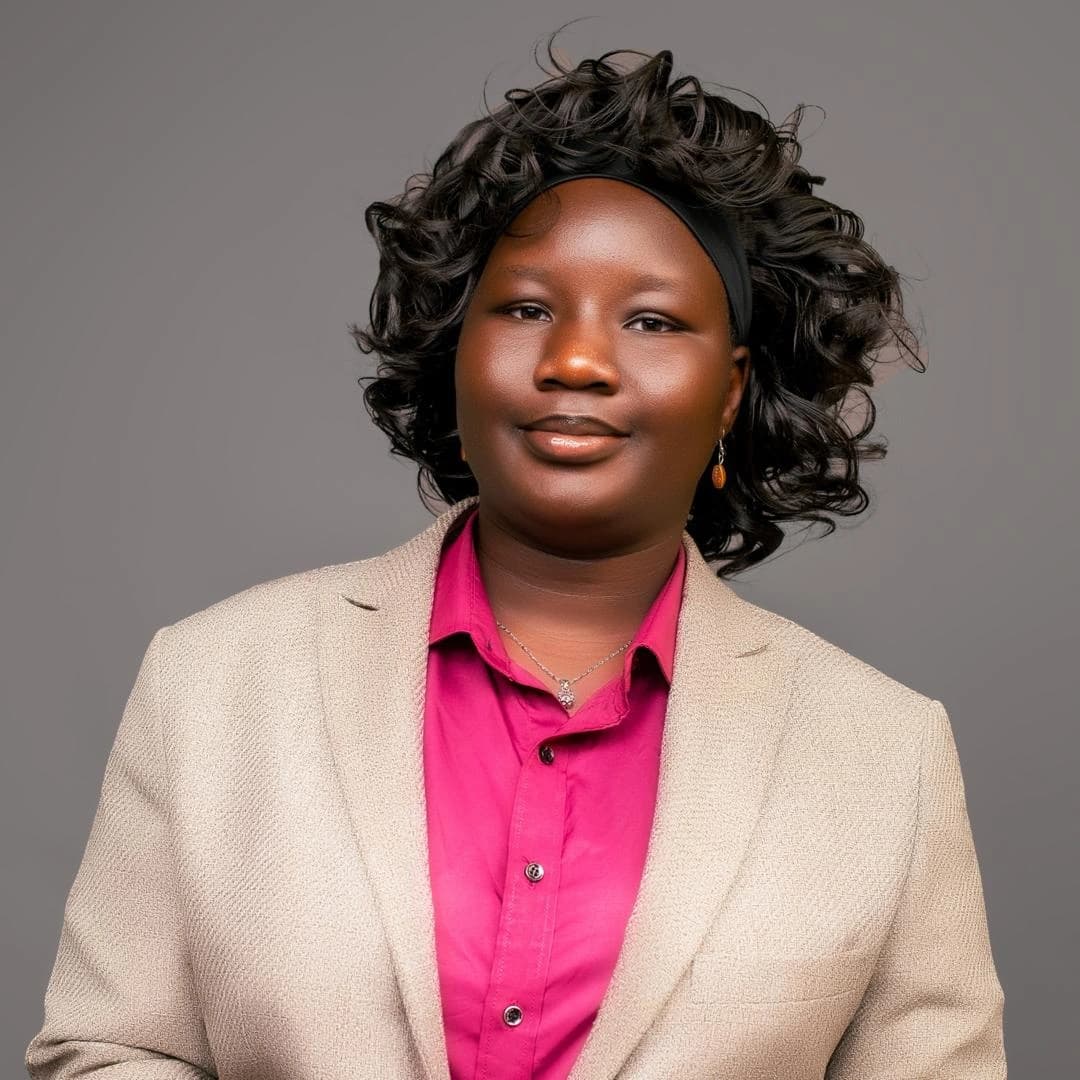
Meet the community-rooted leaders guiding our operational excellence and strategic mission in Gulu City and across Northern Uganda.

Our Strategic Approach
Community Action
We mobilize women and community groups to actively participate in addressing local health needs.
Capacity Building
We empower health workers, village health teams, and youth with skills to lead healthcare transformation.
Research & Evidence
We generate localized data to inform high-impact interventions and support health policy changes.
Advocacy
We raise our voices both locally and nationally for policies that protect and advance the health rights of Acholi women.
Partnerships for Community Health
We do not work in isolation. Our model depends on trusted relationships across health facilities, universities, government structures, civil society organizations, cultural institutions, and community leadership networks.
Health Facilities & Referral Networks
We work with local health facilities and referral actors to connect community outreach, maternal care, mental health support, and emergency pathways.
District Health Offices & Government Bodies
Programme planning is aligned with public health priorities, district structures, and evidence-informed community health strengthening.
Academic & Research Institutions
Research, student mentorship, and learning partnerships help us translate community realities into stronger programmes and advocacy.
Civil Society & Women-Led Organizations
Partnerships with aligned organizations strengthen campaigns on GBV prevention, SRHR, dignity, school retention, and post-conflict recovery.
Cultural & Community Institutions
Community leaders, elders, youth networks, and women’s groups help ensure interventions are culturally grounded and locally owned.
Why Our Focus Matters
Maternal Health & Safe Motherhood
Women and girls need timely, respectful, and accessible healthcare throughout pregnancy, childbirth, and the postnatal period. Barriers to information, referral, skilled care, and continued support can place mothers and newborns at greater risk. Our work strengthens access to maternal and reproductive-health information and community-level support so women can make informed decisions and reach appropriate care when they need it.
Adolescent Reproductive Health
Adolescents need accurate, age-appropriate health information and supportive environments in which they can ask questions without fear or stigma. Early pregnancy and limited access to reproductive-health information can affect education, wellbeing, economic opportunity, and future health. Our work supports women and girls with practical health education and community-based approaches that encourage informed choices and earlier access to appropriate care.
Mental Health & Psychosocial Wellbeing
Mental health is inseparable from overall wellbeing. Women and girls may face stress, grief, trauma, anxiety, depression, social pressures, and other challenges while having limited access to safe and supportive services. Our mental-health work creates spaces for people to seek support, strengthen coping skills, reduce stigma, and connect with appropriate care when more specialized help is needed.
Community-Based Health Access
Health services are most effective when people can understand them, reach them, trust them, and receive appropriate support at the right time. Community health workers, local health actors, and community networks play an important role in connecting people with health information, prevention services, referrals, and care. We work to strengthen these local connections and bring health support closer to the communities we serve.
Stronger Local Health Systems
Sustainable health improvement requires more than individual interventions. Communities also need capable health workers, stronger referral pathways, practical knowledge, and local systems that can continue responding to health needs. Our work invests in community-level capacity and healthcare education while strengthening connections between communities and existing health services.